
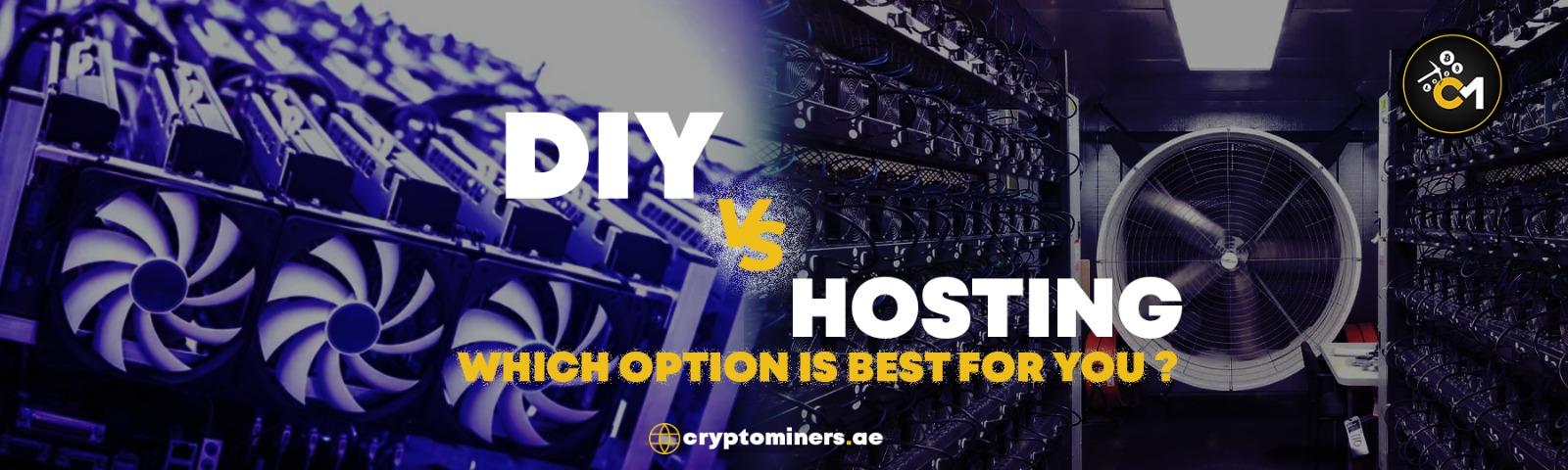
Cryptocurrency mining is a central pillar of the decentralized digital currency ecosystem. It's how new coins are created and transactions are validated within a blockchain network. The debate around the best method for mining—whether self-mining (DIY) or hosted mining—has gained more attention as cryptocurrencies become more mainstream. Both have their benefits, but which one is the right fit for you? This article explores the ins and outs of both DIY and hosted mining to help you make the best decision based on your needs, budget, and goals.
What Is Cryptocurrency Mining?
Before diving into the comparison, let’s quickly define what cryptocurrency mining is. At its core, mining involves using computer hardware to solve complex mathematical puzzles, which then validate transactions and secure the blockchain. Miners are rewarded with cryptocurrency for their efforts. Mining plays a crucial role in the functionality and security of cryptocurrencies like Bitcoin, Ethereum, and others.
Self-Mining: The Traditional Approach
Self-mining, also known as DIY mining, refers to the practice of purchasing and managing your own mining hardware. This approach offers complete control over your mining operations, from hardware selection to the mining strategy itself.
Advantages of Self-Mining
- Control Over Hardware and Software: With DIY mining, you can choose the mining hardware, configure it according to your preferences, and make strategic decisions about what currencies to mine.
- Potential for Higher Returns: If you have access to affordable electricity, optimal hardware, and are willing to put in the effort, self-mining can be profitable.
- Customization: You can expand your operation as needed, adding more hardware or switching mining strategies.
Challenges of Self-Mining
- High Initial Investment: Setting up your own mining rig requires significant upfront costs for hardware and infrastructure.
- Ongoing Maintenance: Mining hardware requires continuous maintenance and upgrades to stay efficient.
- Energy Consumption: The power needed for mining operations can lead to high electricity costs, especially in areas with expensive energy rates.
Hosted Mining: A Hands-Off Solution
Hosted mining, on the other hand, involves renting mining hardware and space from a third-party provider. Instead of managing your own equipment, you pay for a service that includes everything from hardware setup to maintenance.
Advantages of Hosted Mining
- Lower Upfront Costs: You won’t need to purchase mining hardware, which significantly reduces the financial barrier to entry.
- Hassle-Free Operation: The hosting provider handles all the technical aspects, including setup, maintenance, and optimization.
- Scalability: Hosted mining services typically offer scalable plans, so you can adjust your mining capacity as your needs grow.
- Access to Professional Expertise: You can leverage the hosting provider’s experience and infrastructure without needing deep technical knowledge.
Challenges of Hosted Mining
- Less Control: You won’t have direct control over the hardware or mining strategies, which may impact how effectively you can optimize your mining operation.
- Ongoing Fees: Hosting providers charge service fees, which can add up over time, potentially eating into your profits.
- Dependency on Provider: Your mining success depends on the provider’s ability to keep operations running smoothly.
Key Differences: DIY Mining vs. Hosted Mining
Let’s compare the two options on key factors that influence profitability, ease of use, and risk.
Initial Investment
- Self-Mining: Requires significant capital to purchase hardware and set up the infrastructure.
- Hosted Mining: Lower upfront costs, as you pay for a service rather than equipment.
- Operational Costs
- Self-Mining: You bear the full cost of electricity, maintenance, and upgrades.
- Hosted Mining: Some costs are included in the hosting service, but you still pay for ongoing service fees.
Profit Potential
- Self-Mining: Potentially higher profits if you can manage costs and optimize your mining operation.
- Hosted Mining: Steadier returns, but profits may be lower due to service fees and reliance on the provider.
- Risk & Maintenance
- Self-Mining: High-risk due to fluctuating cryptocurrency prices, hardware failure, and high maintenance.
- Hosted Mining: Less risk for the miner since the provider handles maintenance, but there’s a degree of dependency on the hosting service’s reliability.
Which Option Is Best for You?
The right choice depends on your goals, budget, and risk tolerance. Here’s a quick guide:
Choose Self-Mining If You:
- Have the technical know-how or are willing to learn.
- Want full control over your mining setup and strategy.
- Are ready to invest time and money into maintaining your operation.
Choose Hosted Mining If You:
- Prefer a more hands-off approach with less technical involvement.
- Have a lower initial budget but still want to participate in mining.
- Want to avoid the hassle of managing equipment and maintenance.
Conclusion
Cryptocurrency mining offers opportunities for profit, but it’s crucial to choose the right method. Self-mining offers greater control and potentially higher returns, but it requires more upfront investment, expertise, and effort. Hosted mining is a simpler, more accessible option, but you may sacrifice some control and profit potential in exchange for convenience. Ultimately, the best option depends on your financial resources, technical knowledge, and how involved you want to be in the mining process.
Comments